
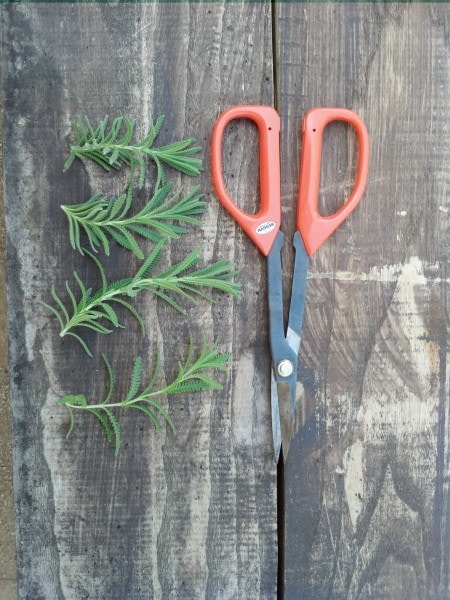
Ever seen a great looking Lavender plant and wished it was growing at your home instead? Read on then and I’ll tell you how to easily propagate lavender, and other perennials for that matter. How I easily propagate lavender plants: The best time to propagate plants is in early spring, when the plant is just…
Category: gardening
Moved again, garden project, etc…
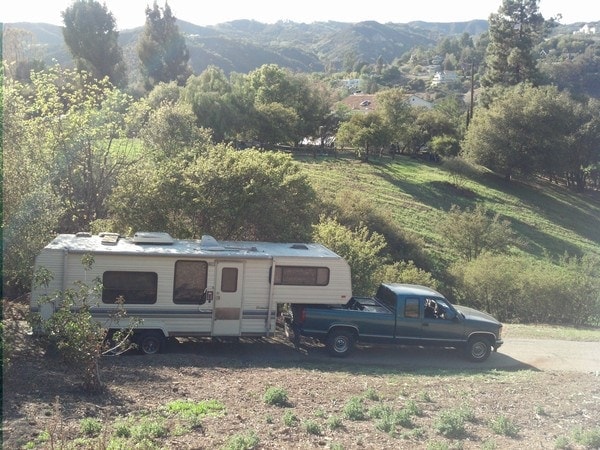
Guess what? It’s that time again. What time you ask? Time to move again!!! Here we are again. Moved into another place and looking to improve upon the land. This time around, lucky for us, we are living in a property owned by good friends. This makes us much more comfortable and creates the spirit…
Building a Cheap and Easy DIY Garden Bed
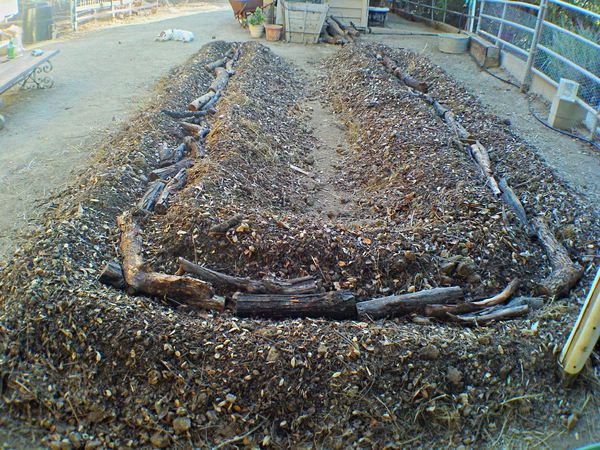
I’ve been garden-less for the past two years and wanted to put together an easy DIY garden bed. So in true fashion, I started looking into MANY different designs: RootSimple‘s strawbale raised bed was surely on my mind. They used strawbales and mixed manure with lots of nitrogen. The idea seems great and the results…
Keyhole Gardens: The ultimate garden bed?
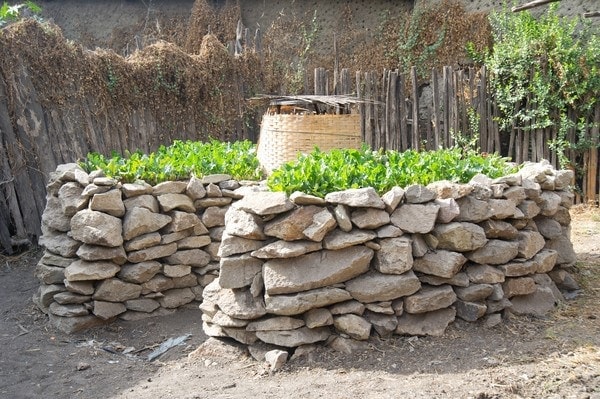
I’ve been in the process of designing my new garden. Being that we’ve been moving every year for the past three, it’s been hard to get a garden established. I’ve tried the traditional raised bed design, also the more hybrid approach. Not to long ago I saw a post on Root Simple’s page about a…
Ancient form of easy drip irrigation

I try to have systems be as simple as they can be to maintain. That being said, irrigation is not one of my favorite things to deal with in a garden. Now let’s talk about a time tested and easy drip irrigation system. Have you ever messed with those black soaker hoses? You know…
Dave Wilson Nursery informational videos
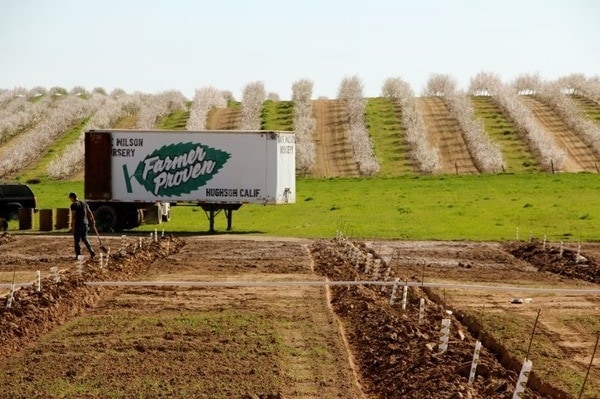
Lots of videos on tree pruning, maintenance and planting from the Dave Wilson Nursery’s YouTube Channel